The Intentional Mystification of Religious Symbology
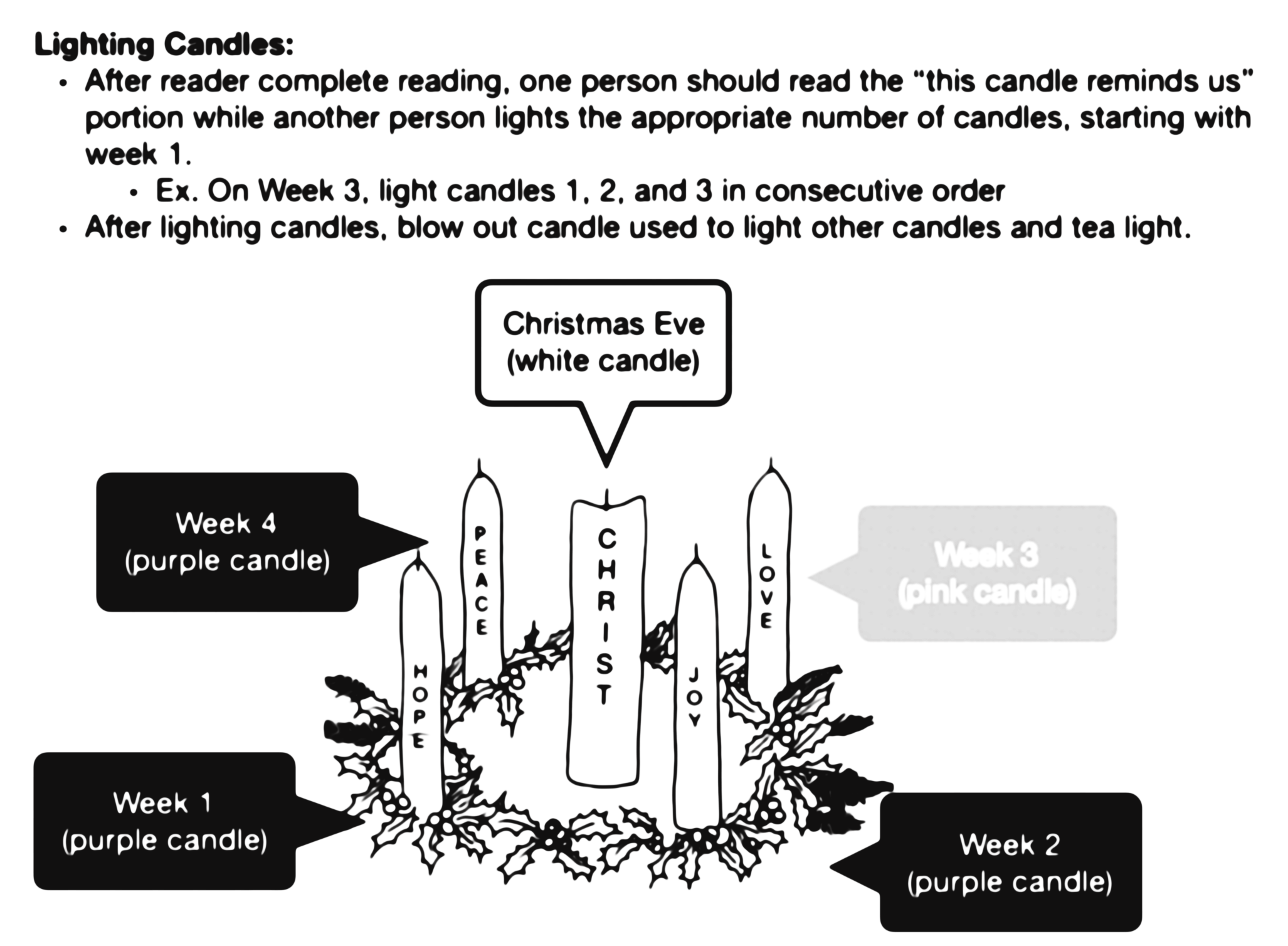
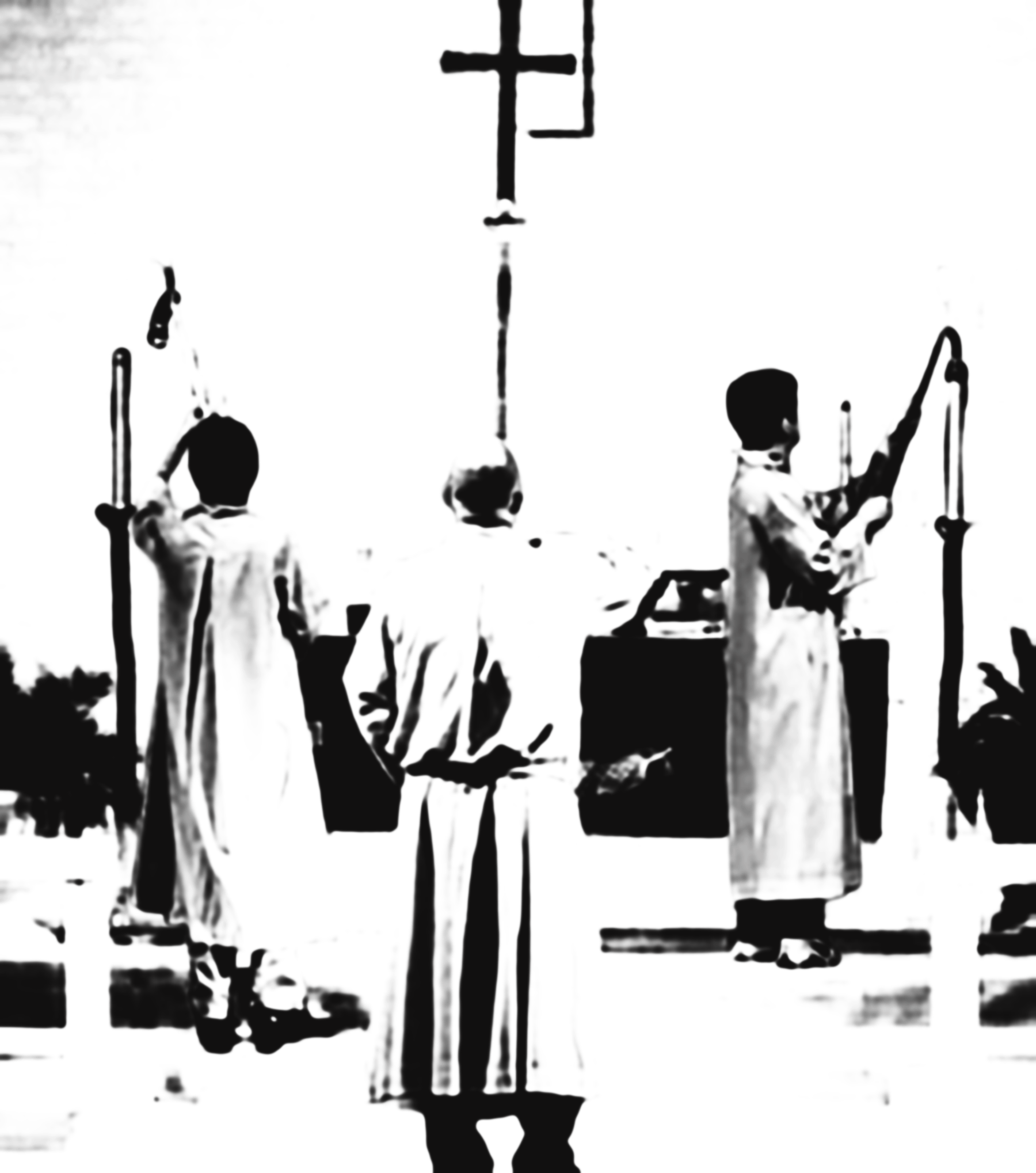
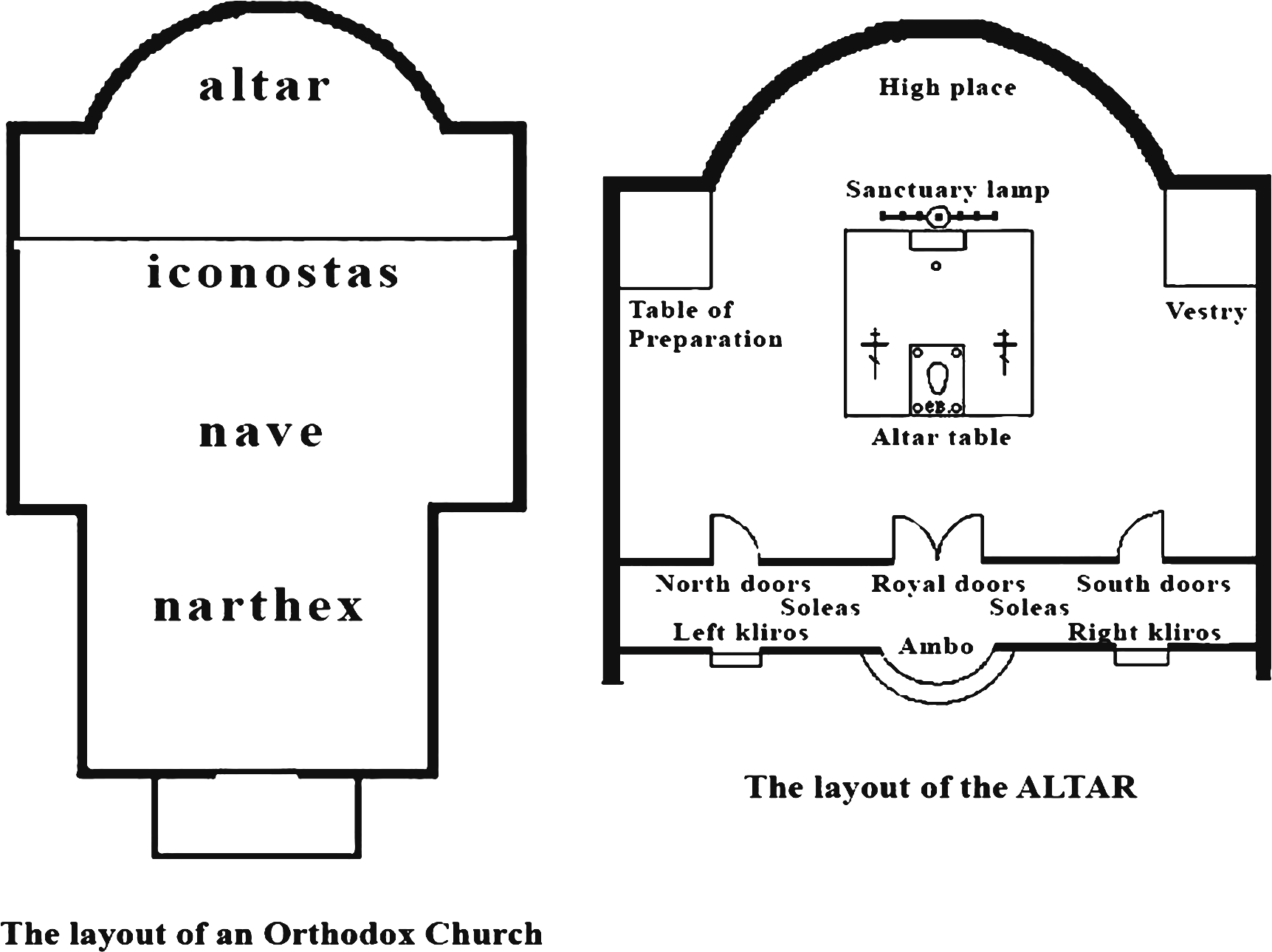
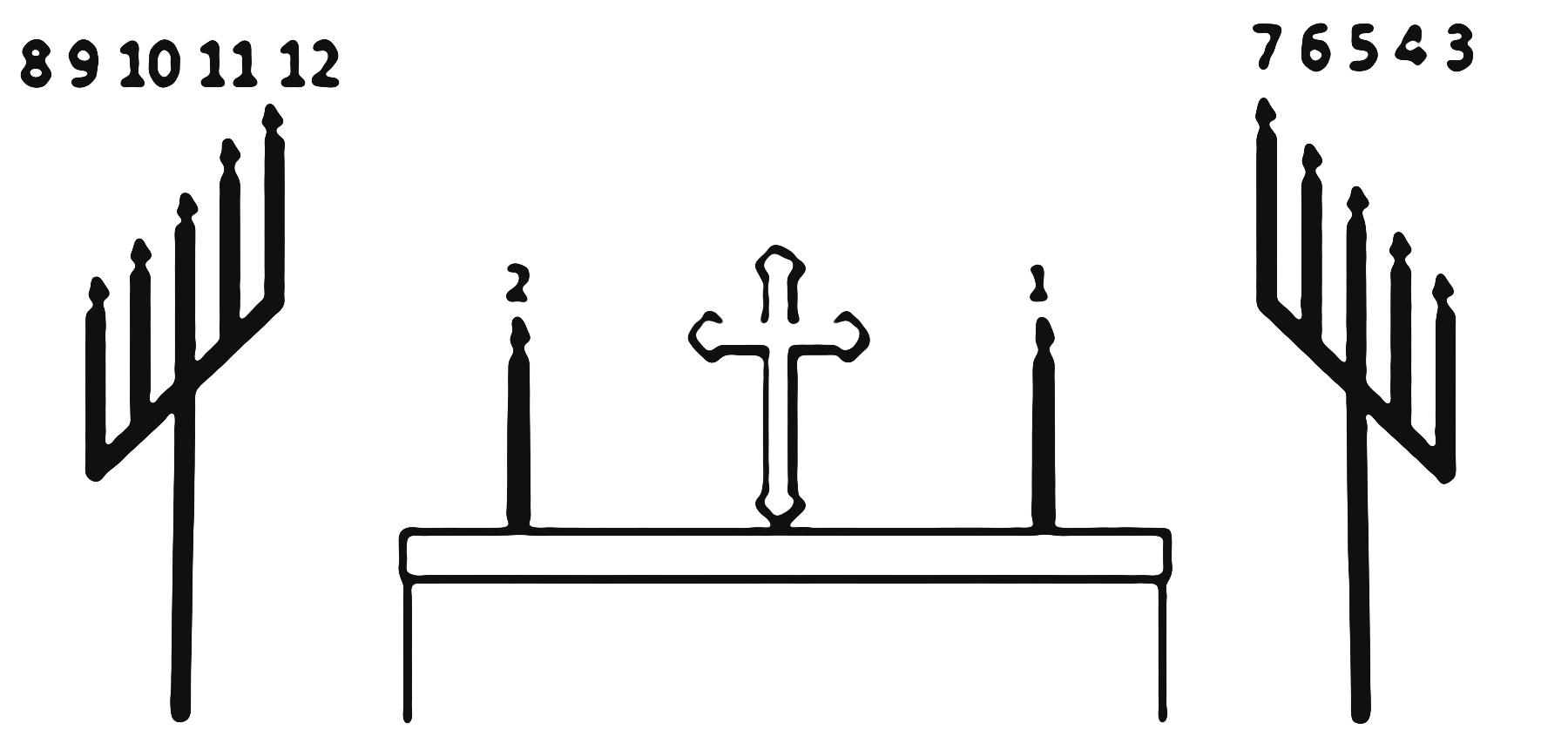
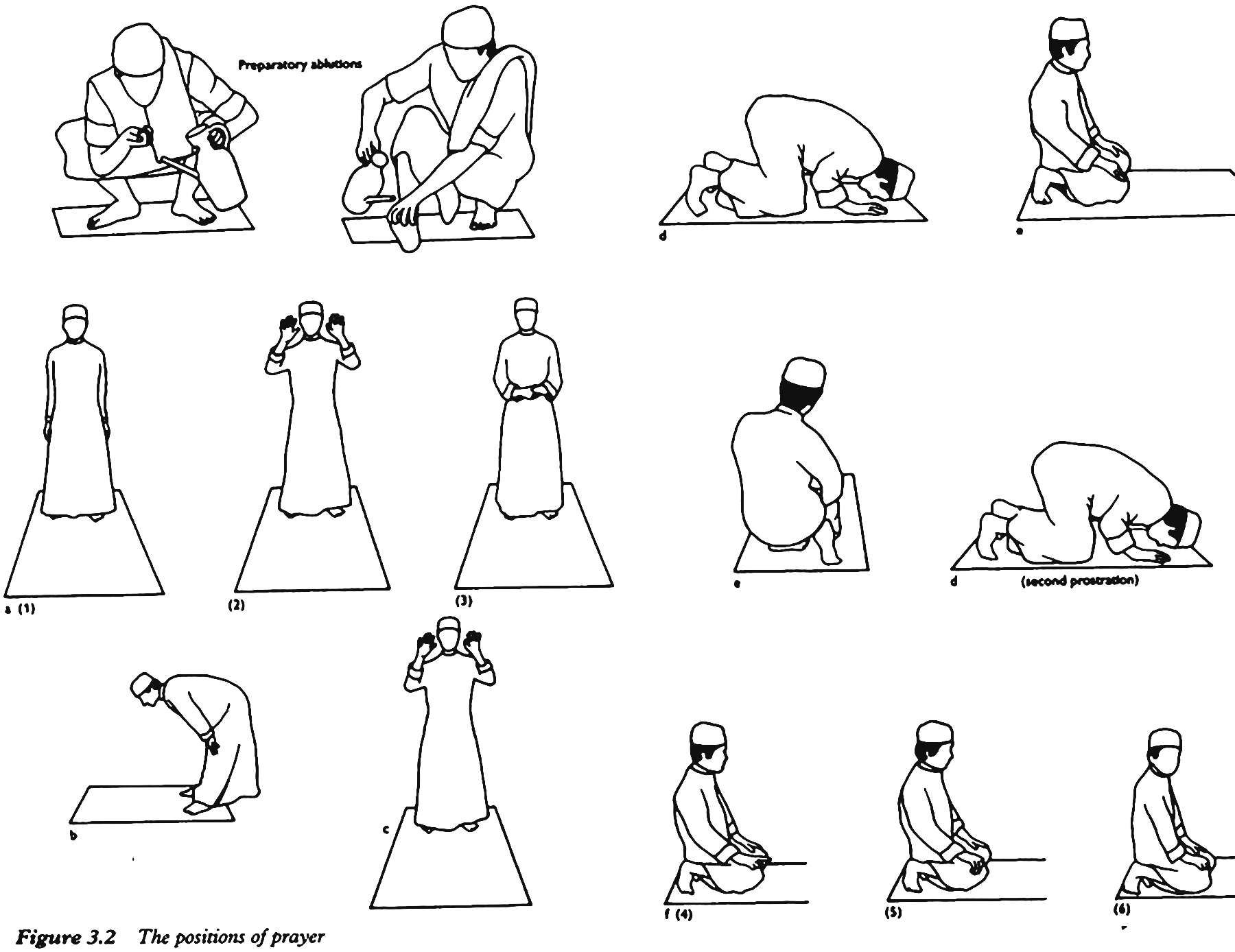
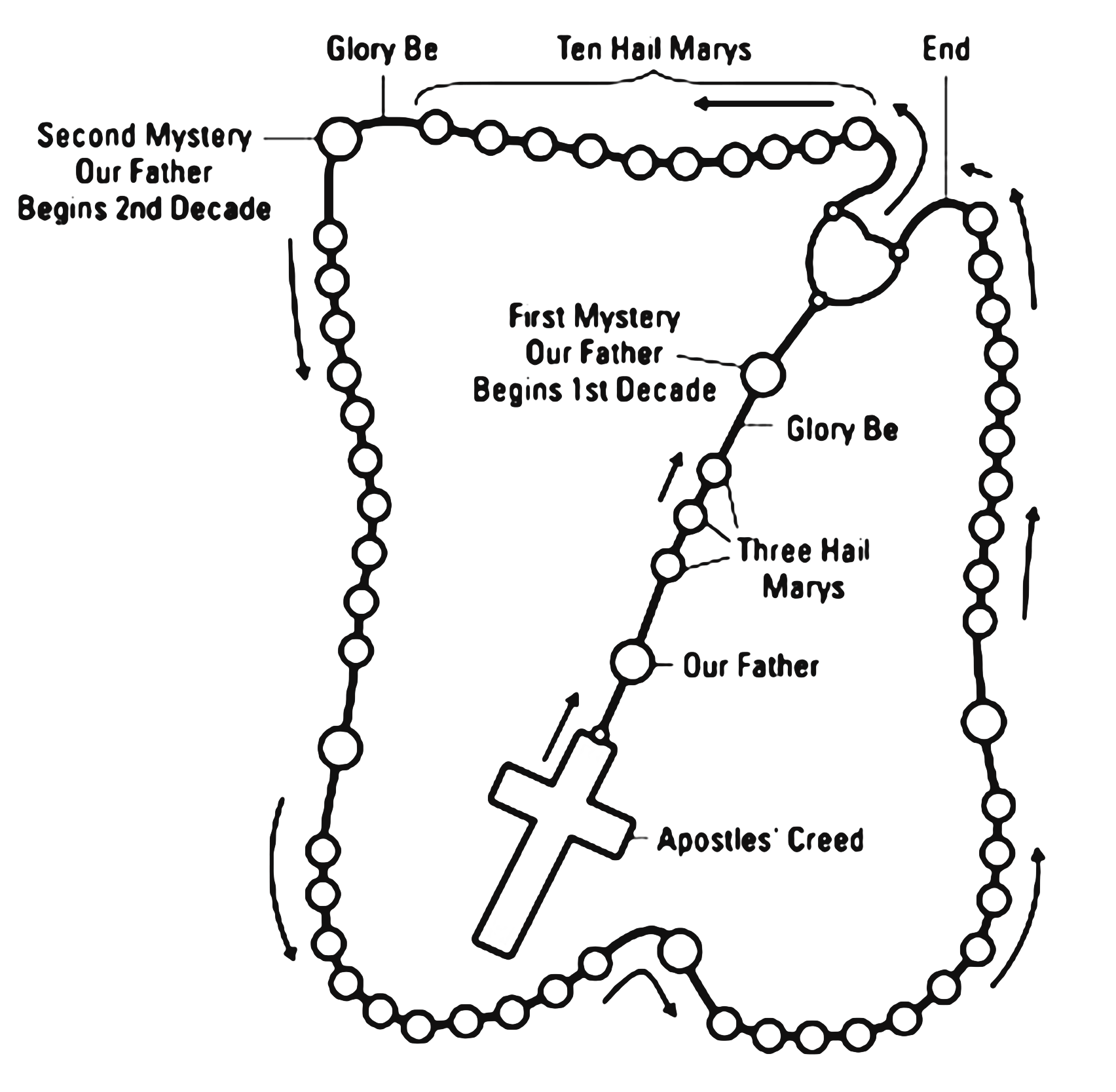
Most of my weekends as a kid were spent largely in, around, or thinking of churches. My father, being a Lutheran pastor, naturally dictated that. And while I could talk at length about growing up with religion, more interesting to me was all the mystic symbology surrounding the services. The buildings, songs, pulpits, ceremonies, and roles all felt like they had an air of secrecy and mystery. Why do we call it baptism? Why is Jesus the same as God the same as a Holy Spirit? What's the right way to put on the weird white rope belt when you have to light the candles at the beginning of church? Matter of fact, why are we walking slowly and making a big deal out of lighting candles all weird with this golden rod? Furthermore, why is there a candle that's always lit, and why is it red?
I was, and continue to be, tireless with question. Just about any line of inquisition branched and forked into countless other questions that could possibly be answered, or possibly left to interpretation. Which both fascinates me and makes me incredibly frustrated. Doubly so when I was a child.
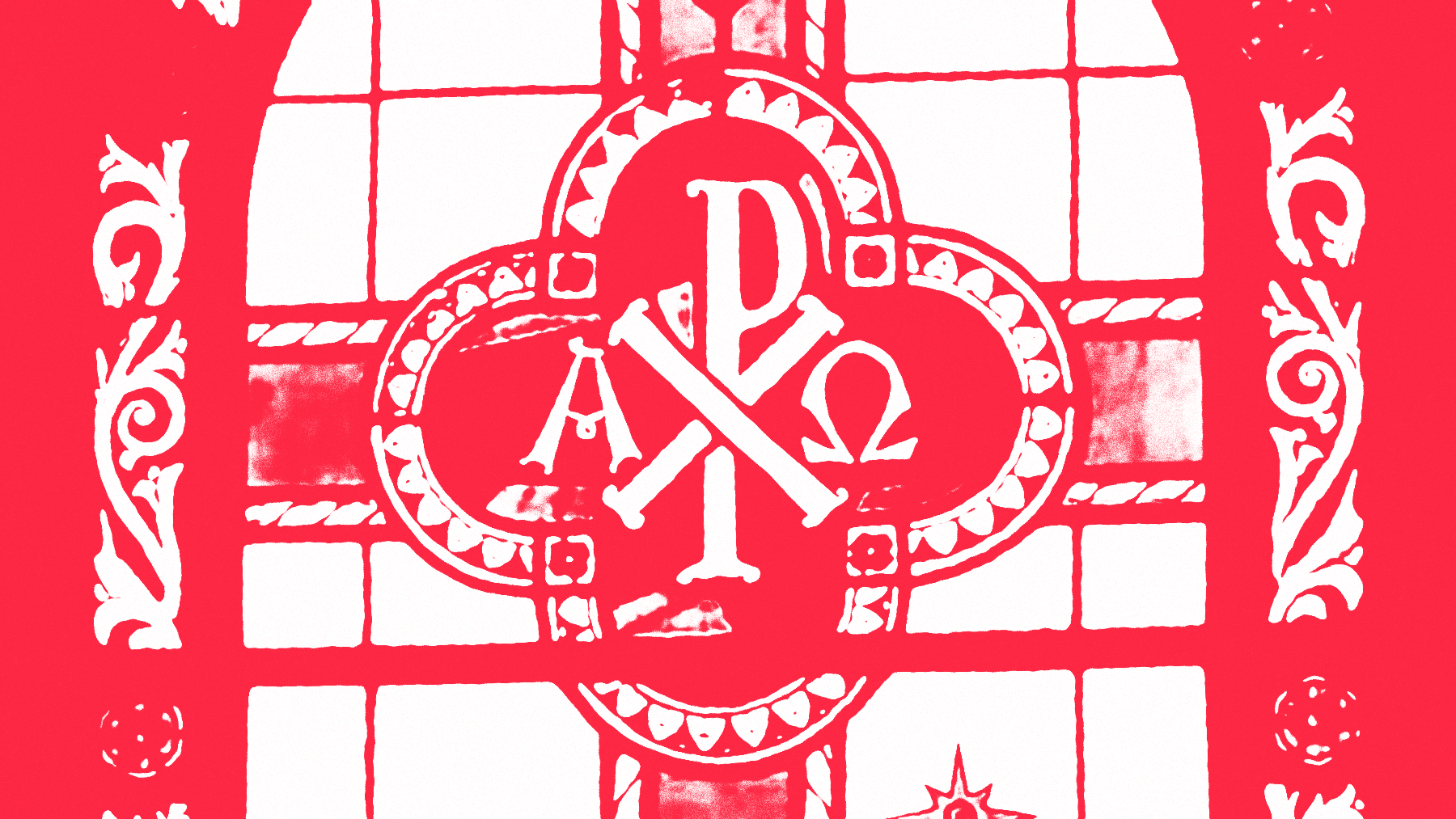
For a mission of spreading the word to as many people as possible, the symbology surrounding what appears to be very simple Godly ideas of loving your neighbors, believing in God's son, and forgiveness, all were draped and shrouded in a dense haze of latin words, obtuse glyphs, and rituals. Why do we call the church helpers deacons? What's the origin of the fellowship hall? What is the goal of having something represented vaguely in stained glass in every window? Why do people always have their hands held flat with two fingers up? What's with the halo only being on some people and not others?
To be fair, a quick internet search for all of these likely has a very valid and well-explained answer, or hypotheses that would put me to rest. And I'm here to accept that there are reasons. But I've also got to question why these have been buried behind an obtuse layer of just seeing them enough to ask why things are the way they are. If you can pick up where I'm going with this, I think a big part of the "frustration" I had as a kid is that everyone seemed so blindly accepting of these unnatural shapes, forms, rituals, hymns, names, and I could never blindly follow in that same way. I was also the kid who didn't like to stand during the Pledge of Allegiance much for the same reasons. Something about senselessly reciting words I didn't feel connected to or understand the depth of made me uncomfortable and apprehensive. It's not necessarily that everything had to be explained in simple terms up front, so much as why we were thought to sit amongst these old traditions without question.
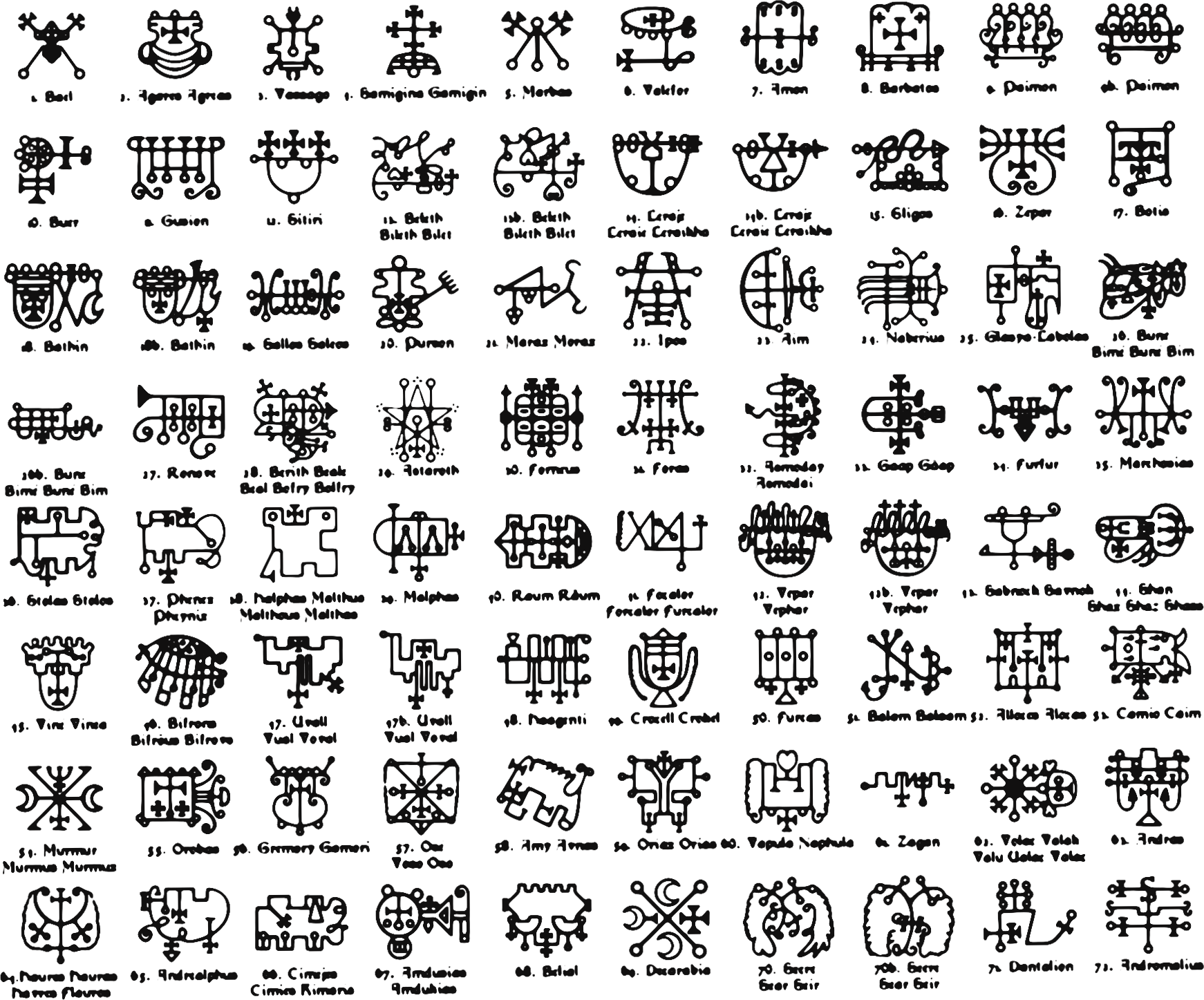
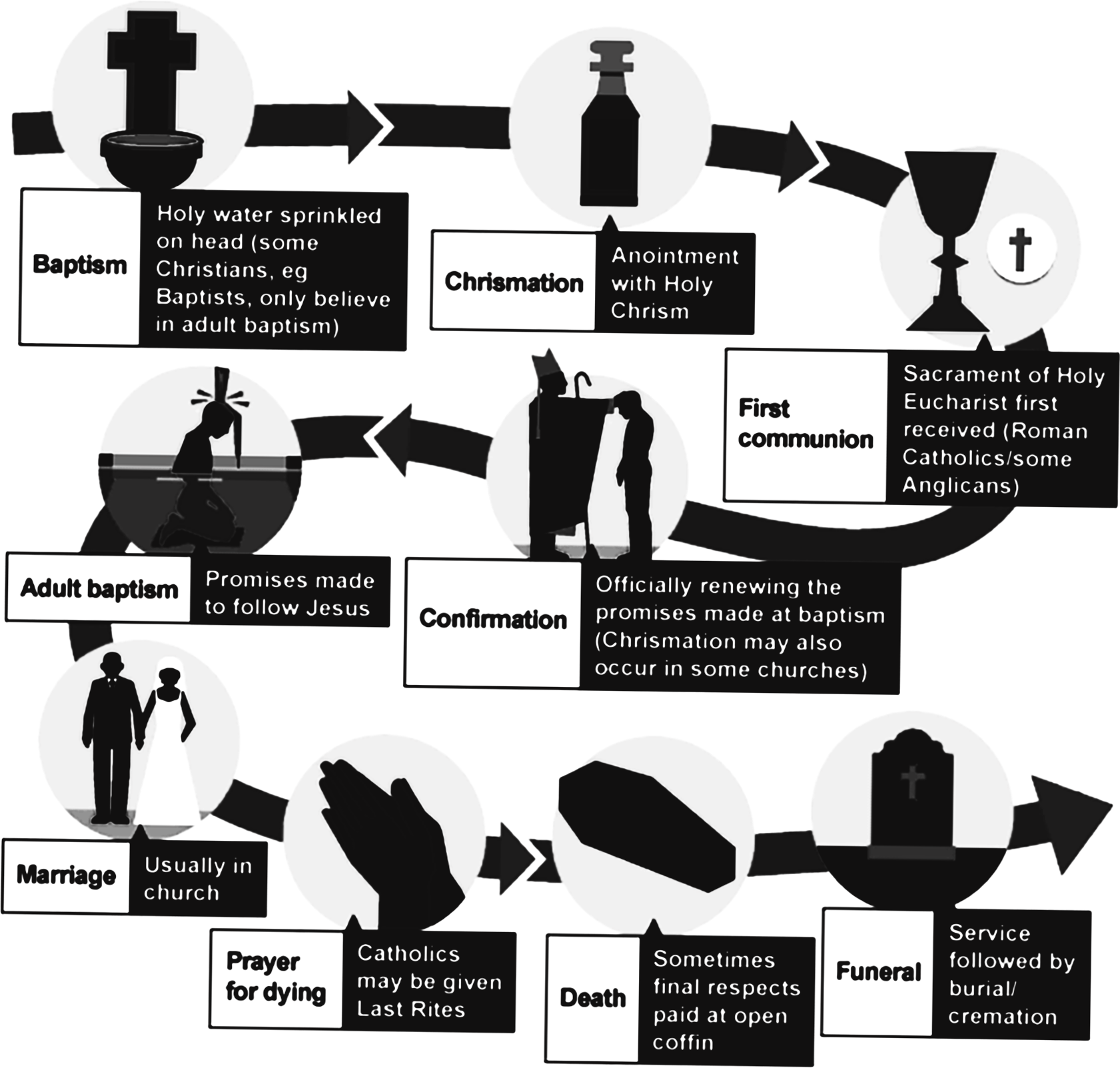
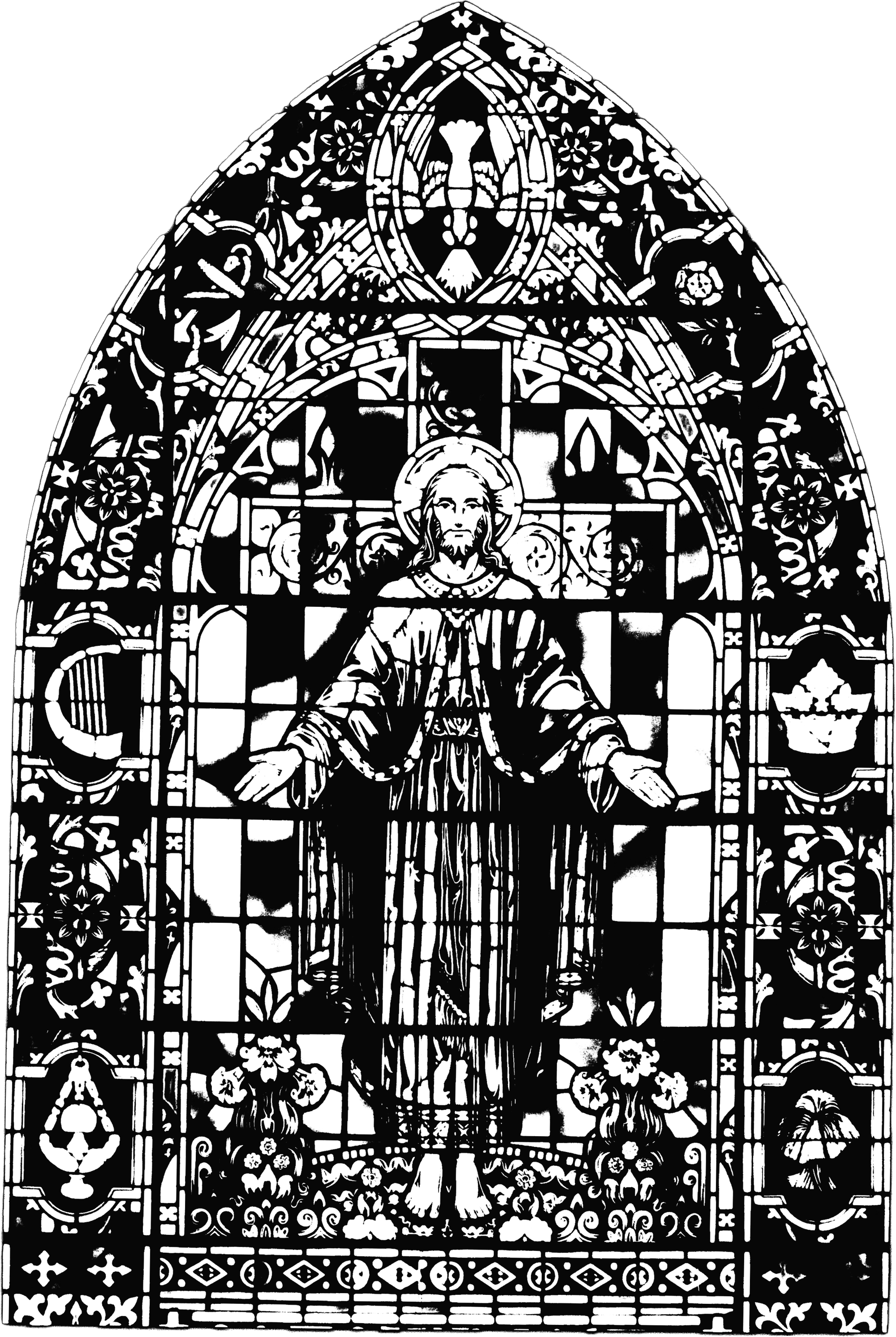
To put it in comparison, think of a daily drive. We drive and we see many signs, all of which happen to make quite a bit of sense. A yield sign means that sure, you can go, as long as you've done your job of yielding to people in the lane that has a priority. A yellow light means you better make sure you're through the intersection before it turns. Or more properly, to slow down, clutching your Baja Blast in the cupholder lest it spray over the dashboard. A one way sign is exactly what it says, a roundabout is... while more questionable of the signs, still pretty straightforward and less up to interpretation than what Ezekiel's dry bones in the desert story was supposed to mean. Surrounded wholly by glyphs, sigils, and rituals that happen to make perfect sense... because it's designed to, and we are taught to.
So then in turn, why do we see the words "INRI" (those Latin initials above crucifixes that nobody explains) everywhere in churches? What are the different seasons in church calendars, like Pentecost? Why did Thursday get so Maundy? I grew up with these terms, phrases, symbols and rituals, and I'm sure my dad may express disappointment that I haven't latched onto what they entail after 32 years. Some things make sense, such as seeing a nativity scene that really only has one explanation of showing an artist's depiction of an iconic biblical story, replete with camels, bales of hay and myrrh. Other things, like why there's such a pageantry around lighting and putting out candles to bookend services feel like something everyone just accepted as normal.
All this is to say that there's some level of intentional obfuscation of information. Much as how logo designers of today's age work hard to bring clarity to the value of an organization in a cheeky glyph, all those holy spirit flags and gold leaf prayer books feel like an echoing of some specific parts of biblical stories, but without the same panache.
All of this helps define my mindset of wishing we as a society would spend more time questioning the traditions and rituals and everyday things we've become accustomed to. Habits and routines are excellent and this has nothing to do with that. I'm more-so giving permission to question why we have so many strange behaviors and why we blindly do them. Are you really going to let tradition dictate what you do? Is there a better way to decorate the church without obfuscating stories? Would God really think those dry wafers are the best way to eat his body? Breaking outside the box, did we really need to stand for the pledge of allegiance? While we're at it, why have turkey on Thanksgiving if you like chicken better?
Our world is the product of our questions as much as our actions. Let's avoid succumbing to old patterns and rituals. Stay inquisitive, my comrades!